Shining eyes
To spark curiosity and wonder, and see the shining eyes in our students, is what school is all about. To create a culture where the eyes of every colleague are shining is the highest aspiration of every leader.
Reflections by Arnie Bieber on curiosity, purpose, and the everyday work of teaching — the posts gathered here look at what keeps students and colleagues genuinely engaged.
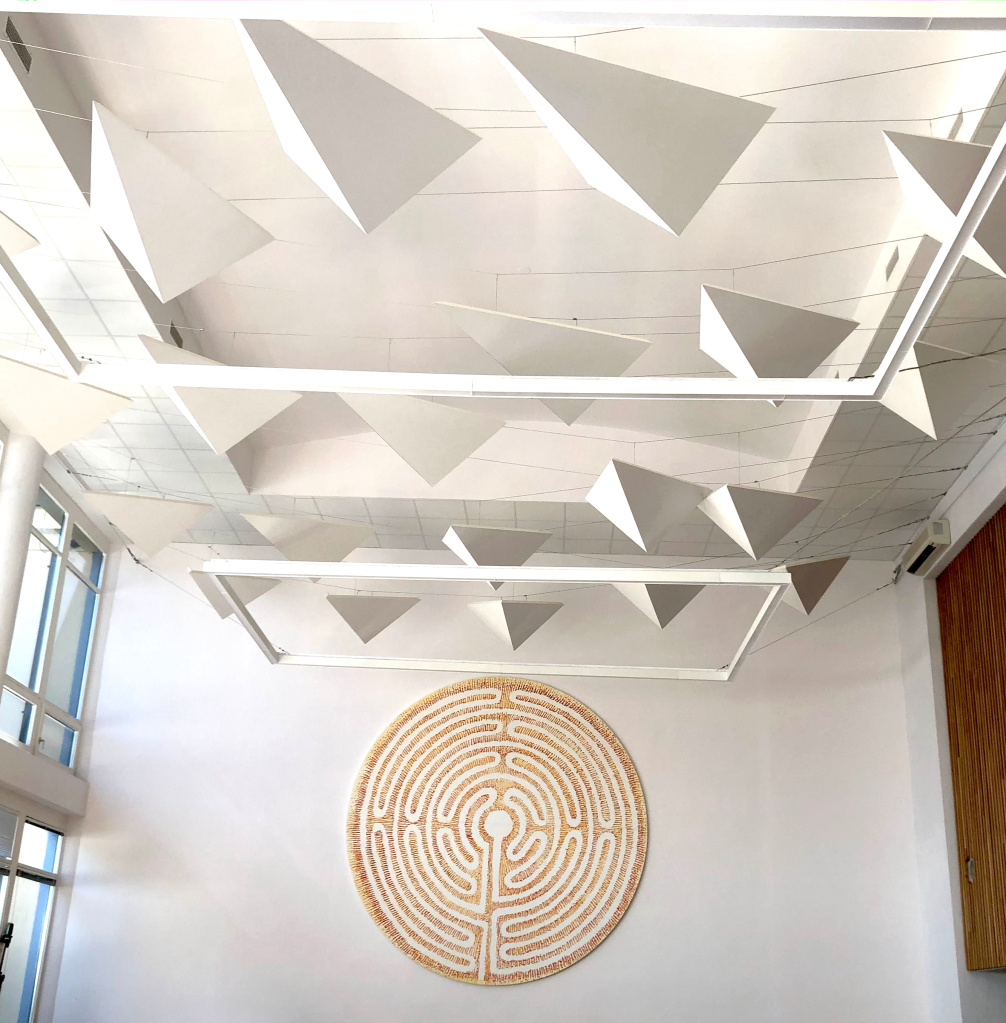
To spark curiosity and wonder, and see the shining eyes in our students, is what school is all about. To create a culture where the eyes of every colleague are shining is the highest aspiration of every leader.
Either schools will die a slow death or rise like a phoenix and are reborn — a question educators are asked to sit with as institutions rethink their shape.
On students taking on true leadership roles, and what it means for educators to step back and let that leadership take hold.
A look at young people acting with purpose, and the duty educators carry to help students find and follow that purpose.
These posts return to one idea: the measure of a school is not only what it teaches, but whether it helps students and staff find their own reasons to care. That is the thread running through curiosity, leadership, and purpose alike.
True education begins not with answers but with the kinds of questions that linger long after the lesson ends. When students feel safe enough to wonder aloud, to challenge assumptions, and to sit comfortably with uncertainty, the classroom becomes a living laboratory for curiosity. This is the quiet work of teaching: creating conditions where inquiry feels natural rather than forced. It requires patience, attentive listening, and a willingness to let go of rigid outcomes. The most memorable learning moments often arrive sideways, sparked by a student's unexpected observation or a tangent that reveals something essential. In this way, the educator's role shifts from knowledge-keeper to co-explorer, walking alongside learners as they discover their own pathways forward.
Purpose is not something handed down from a podium; it is discovered through repeated acts of trying, failing, and trying again. For young people, the search for meaning often unfolds in small, unglamorous moments—a collaborative project that clicks, a book that speaks directly to their experience, a conversation with a trusted adult who listens without judgment. Schools that take this seriously design spaces where students can explore different versions of themselves before settling on any one direction. They offer not a single defined path but a network of possibilities, each one a chance to test interests against real challenges. The goal is not early specialization but the slow, honest building of self-knowledge over time.
Leadership in a school setting rarely looks like what the wider world expects. It shows up in the colleague who stays late to help refine a lesson plan, in the administrator who asks thoughtful questions before offering solutions, and in the student who advocates quietly for a classmate. These everyday acts form the true infrastructure of a thriving learning community. When adults model vulnerability and collaboration, they send a powerful signal that growth is not just for the young. The most effective school cultures are built on trust, shared purpose, and the understanding that everyone—from the newest teacher to the most experienced leader—has something important to learn from those around them.
The pandemic years forced educators everywhere to reconsider what school could be, stripping away routines and revealing both fragility and resilience in equal measure. Out of that disruption came renewed attention to what matters most: relationships, flexibility, and the well-being of every person in the building. Innovation in education is not always about technology or new programs; sometimes it is simply the courage to stop doing what no longer serves students. Schools that embrace this spirit of reinvention treat change not as a crisis to manage but as a continuous, creative process. They understand that transformation happens not in grand declarations but in the daily, deliberate choices made by people who care deeply about the work.