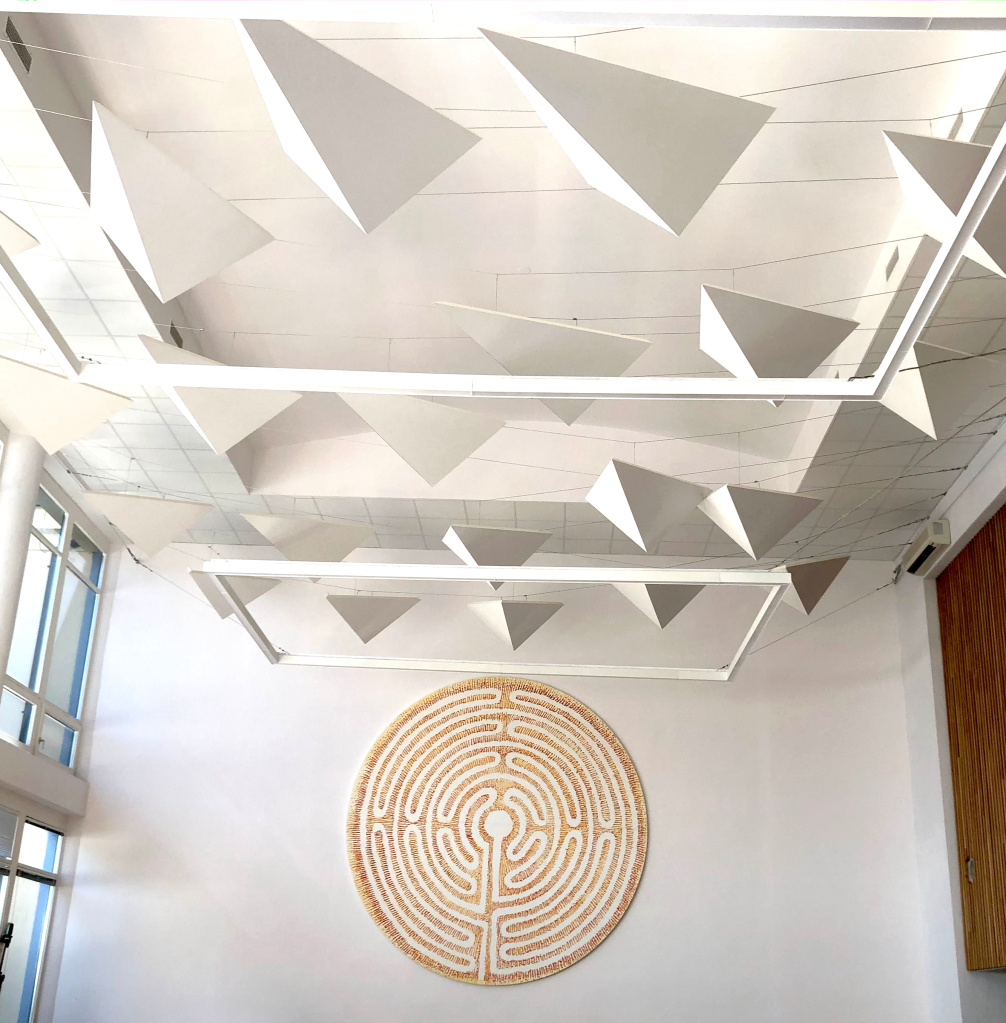
Mission as a living question
At the International School of Prague, mission is treated less as a fixed plaque on a wall and more as a question asked again and again: how does a school engage learners in a world that keeps changing around them? These posts gather reflections on that question, written from inside the daily work of leading a school community.
A school's mission statement can be more than words mounted on a lobby wall. When crafted with care, it becomes a compass that guides every decision, from curriculum design to daily classroom interactions. The most meaningful missions resist the urge to sound impressive and instead focus on what learners actually need. They ask honest questions about purpose, about the kind of human beings a school hopes to send into the world. At its best, a living mission invites students, educators, and families into ongoing conversation about what matters, knowing that the answer shifts as the world itself shifts.
Vision statements sometimes sit in tension with the daily realities of school life. A compelling vision points toward a future that does not yet exist, and that can feel uncomfortable for institutions built on tradition and routine. Yet the schools that embrace this discomfort are the ones most likely to spark genuine innovation. They treat vision not as a distant ideal but as a set of choices made each morning: how to spend time, what to celebrate, whom to include. True vision lives in the gap between where a school is and where it aspires to be, and it requires courage to keep walking toward that horizon.
When mission and vision remain abstract, they risk becoming hollow slogans that no one remembers after orientation week. The schools that breathe life into their founding purposes are those that weave those values into everyday practices. Teachers design lessons that reflect the school's stated beliefs. Leaders hire and develop colleagues who embody the culture. Students are asked to reflect on how their own growth connects to the larger purpose of their education. A mission that shows up in schedules, budgets, and hallway conversations is a mission that transforms a building into a true learning community.
The pandemic and rapid global change have forced many schools to reconsider what they stand for. Old certainties about testing, rankings, and traditional pathways no longer feel sufficient. In their place, a new emphasis has emerged on curiosity, resilience, and the ability to navigate ambiguity. Schools that revisit their mission and vision in light of these shifts find themselves better equipped to support students who face an uncertain future. This is not about discarding what worked before, but about asking honestly what learners need now. If not now, when?