Learning Strategies
Articles exploring how students learn, from the power of swarm intelligence to innovative learning hubs that spark curiosity and wonder.
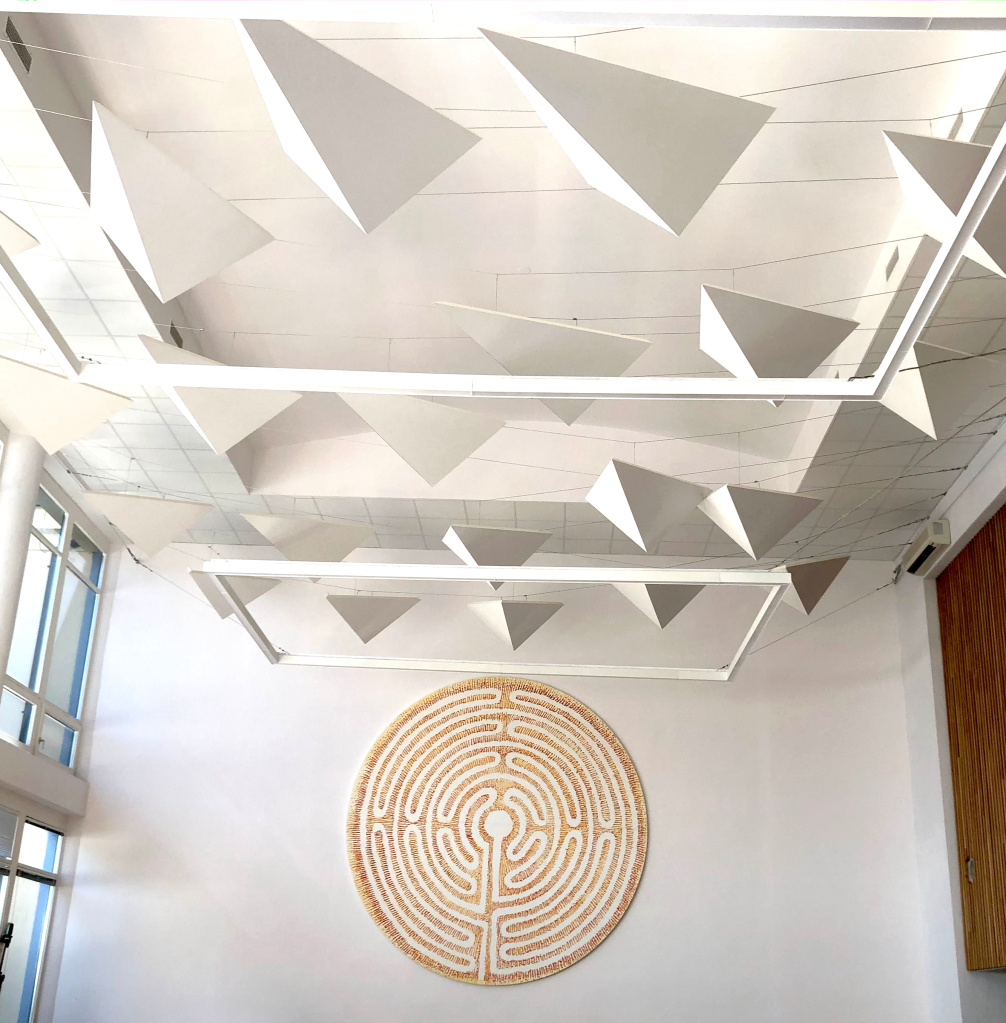
True learning spaces are no longer confined to rows of silent desks and dusty textbooks. Schools that embrace innovation understand that environments shape how students think, collaborate, and create. A library can transform into a hub of discovery, where quiet corners for reflection coexist with open areas for building and prototyping. When learners enter a space designed to spark curiosity, they naturally move from passive reception to active exploration. The physical layout of a school sends a powerful message about what is valued. Flexible furniture, natural light, and intentional design elements invite students to linger, question, and pursue their own lines of inquiry rather than simply waiting for instructions.
Curiosity is the engine of deep learning, yet traditional schooling often unintentionally dampens it through rigid schedules and standardized outcomes. Educators today are rethinking their roles, shifting from dispensers of information to guides who help students navigate their own learning journeys. When adults model curiosity and ask open-ended questions, they create a culture where exploration is celebrated. Students who are encouraged to follow their interests develop intrinsic motivation that carries them far beyond the classroom. This approach does not abandon rigor; rather, it channels effort into meaningful problems that students genuinely want to solve, making persistence a natural response rather than a forced requirement.
Collaboration lies at the heart of modern education. The most complex challenges facing the world require people who can think together across disciplines and perspectives. Schools that prioritize collaborative skills prepare students not just for exams but for lives of meaningful contribution. Group projects, peer feedback, and shared problem-solving teach young people how to communicate ideas, negotiate differences, and build on each other's strengths. These experiences mirror the workplaces and communities they will one day lead. When students learn to value the contributions of others and see themselves as part of a larger whole, they develop the empathy and social intelligence that no solo test can measure.
Innovation in education is not about technology alone; it is about a mindset that embraces change and sees possibility where others see obstacles. Schools that foster this mindset give students permission to experiment, fail, and try again. A culture of innovation celebrates the process of iteration, where each attempt brings new understanding. Students who learn to view setbacks as information rather than defeat become resilient problem-solvers. They carry this orientation into every aspect of their lives, approaching challenges with creativity and determination. When a school community collectively believes that growth is always possible, it creates a ripple effect that transforms not only individual learners but entire communities.